Service conditions
A butterfly valve changes the available flow area as its disc rotates about the stem. Its compact rotary arrangement is widely used for pipeline isolation. Flow-control duty also requires assessment of disc position, differential pressure, flow response and actuator control capability.
Construction and description
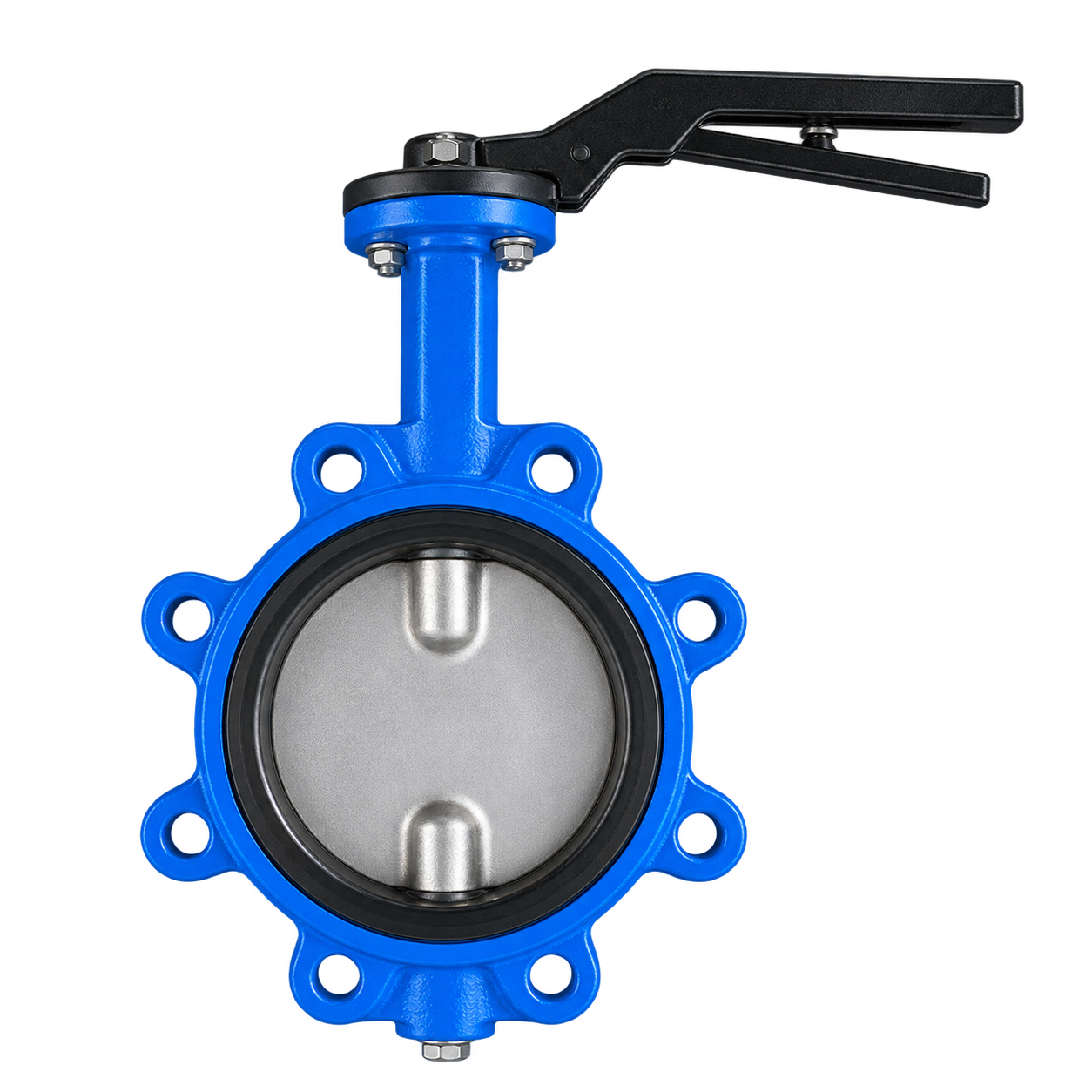
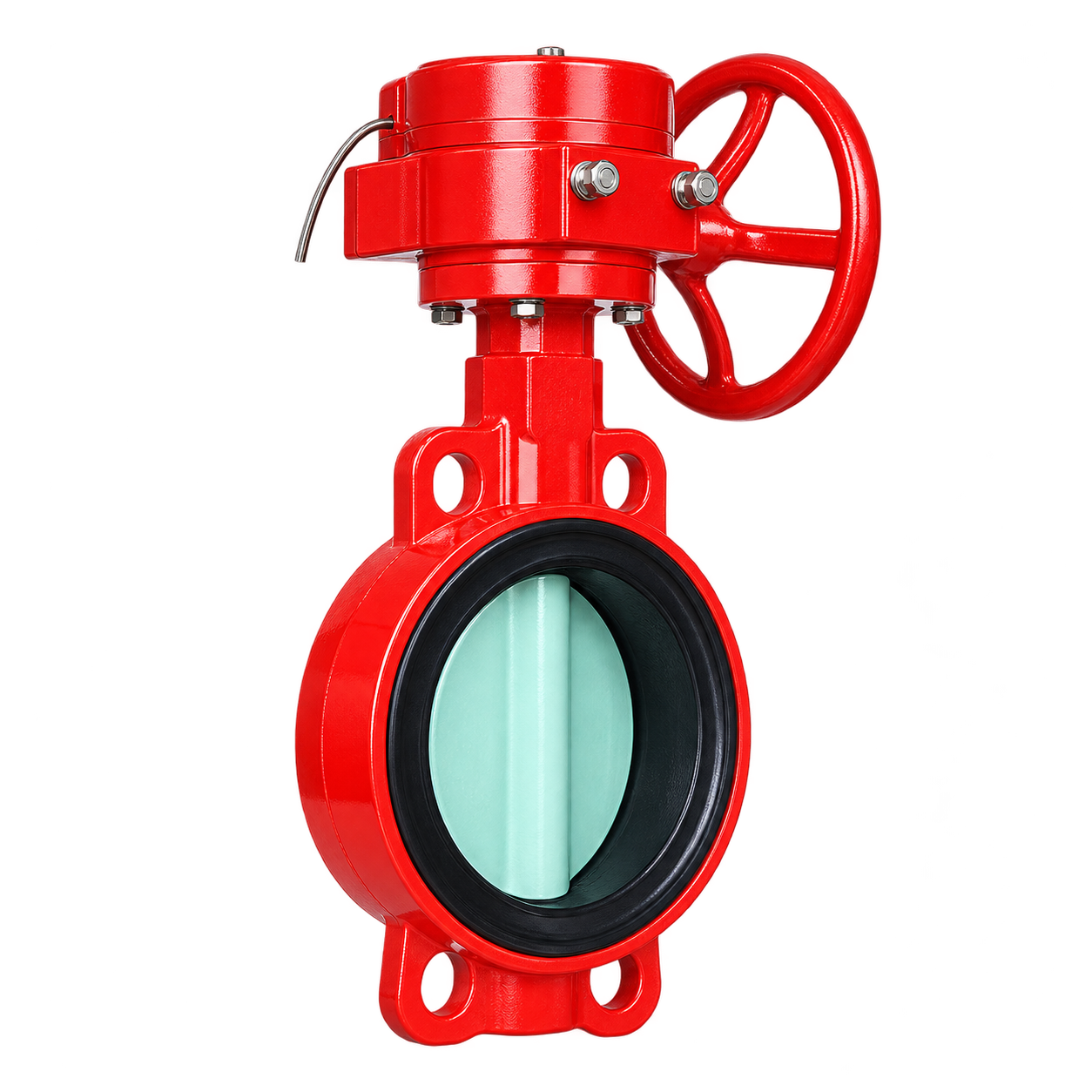
Lugged interfaces use body lugs and fasteners for installation. Match hole positions, threaded or through-hole form and mating flanges. End-of-line isolation or removal of one pipe side requires confirmation of the arrangement and loading conditions.
Service conditions
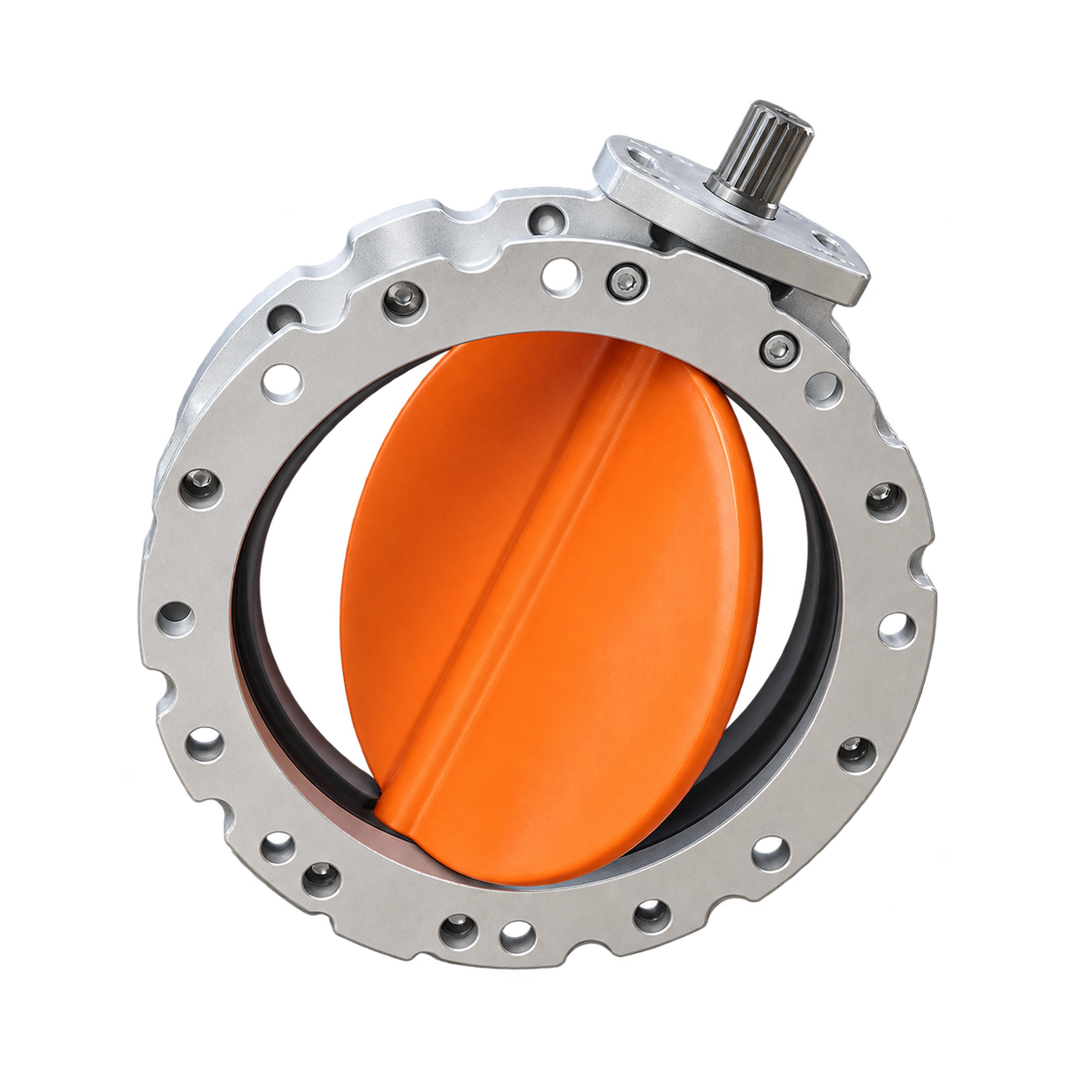
Hard-seated butterfly valve behavior depends on contact geometry, material pairing and surface condition. Temperature cycling makes thermal expansion, differential pressure and operating torque important. Select offset geometry, preferred flow direction and leakage class for the actual arrangement.
Construction and description
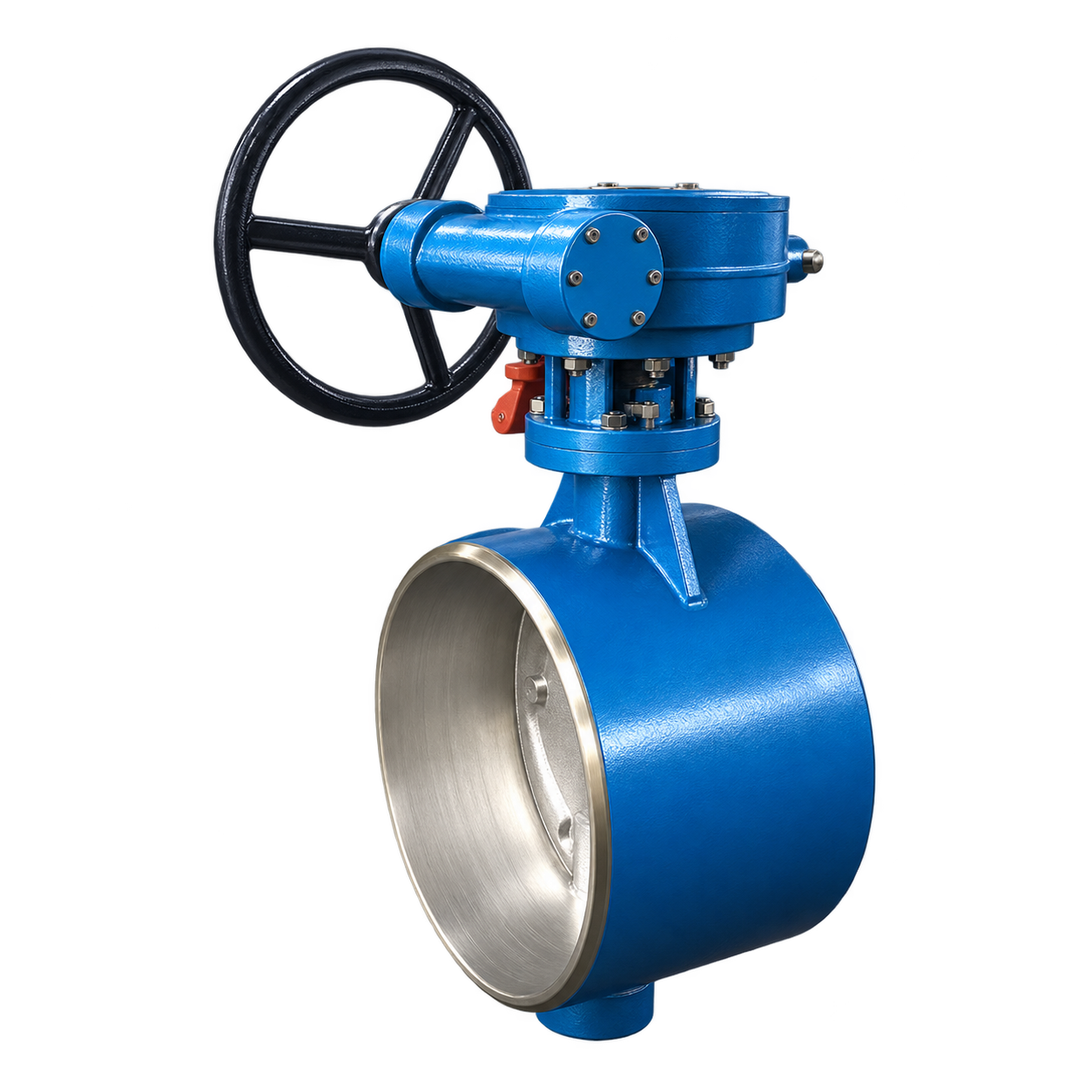
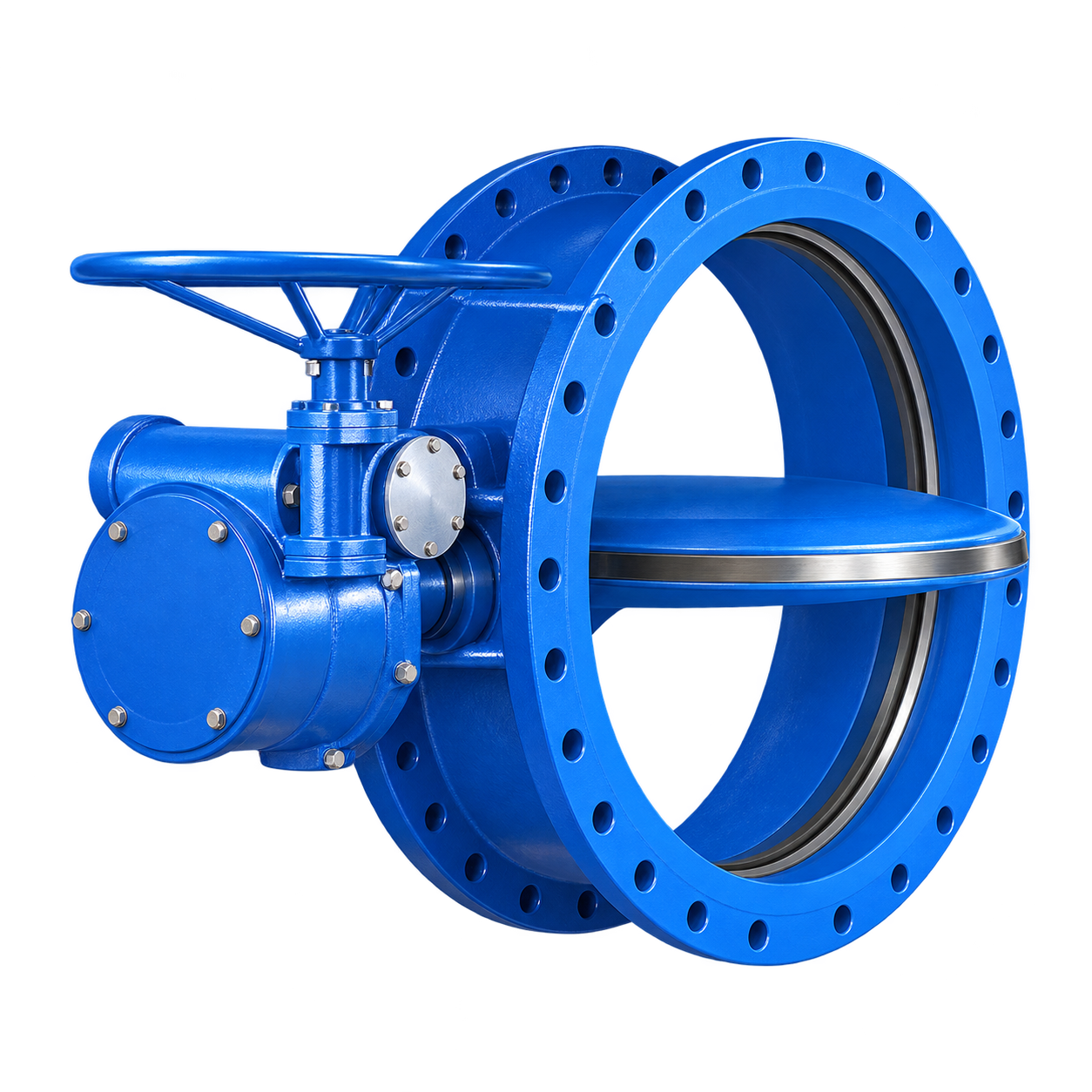
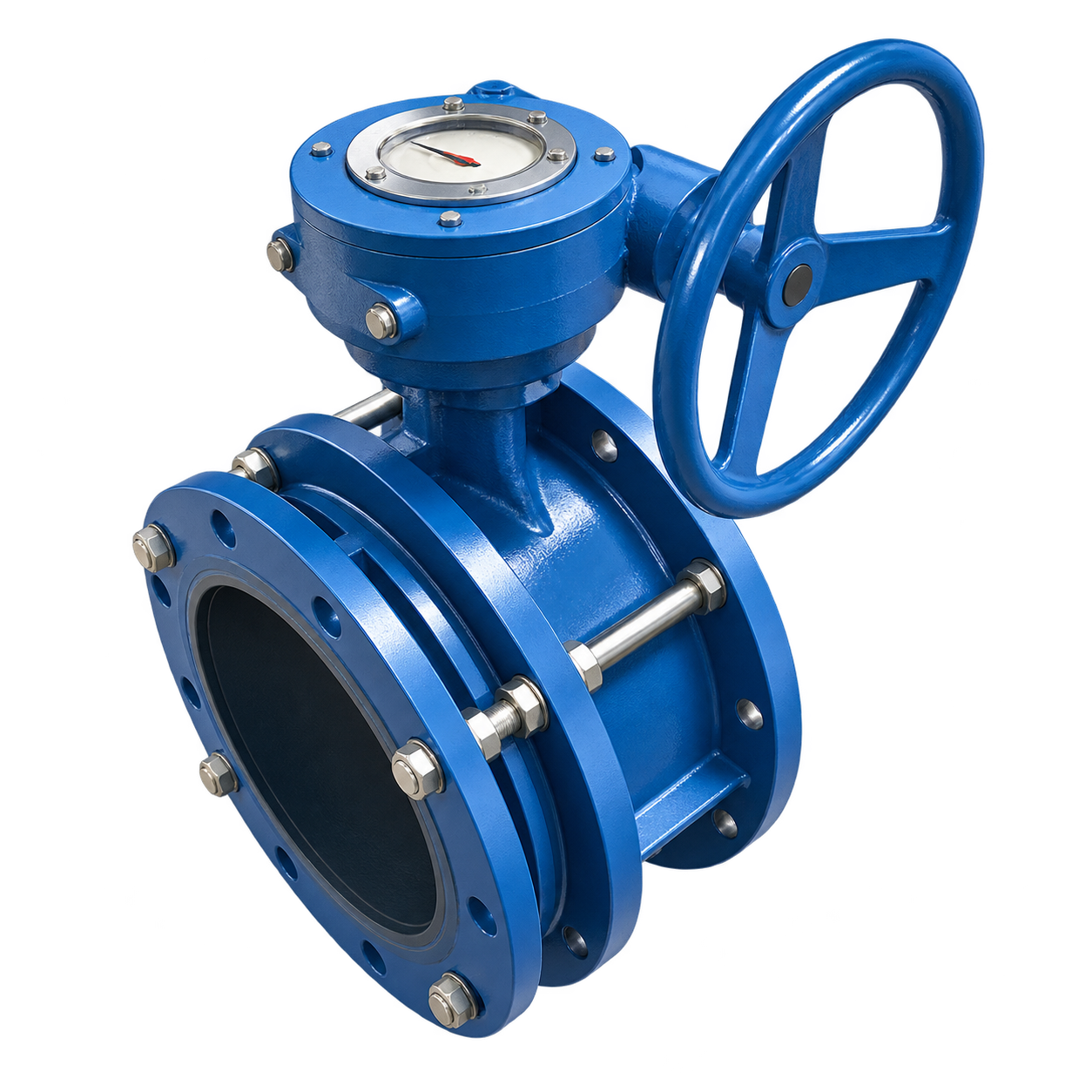
Match the operator to the valve load and site operating method. Manual operation needs accessible clearance. Frequent cycling or remote control also calls for assessment of output capability, duty and position feedback.
Define fluid composition and continuous and start-stop operating conditions, then assess body, internals and seals as a combination. Particles, deposits and cleaning affect sealing surfaces and mechanisms; plan maintenance for the actual service.

 Industry image unavailableIllustrative scene