Construction and description
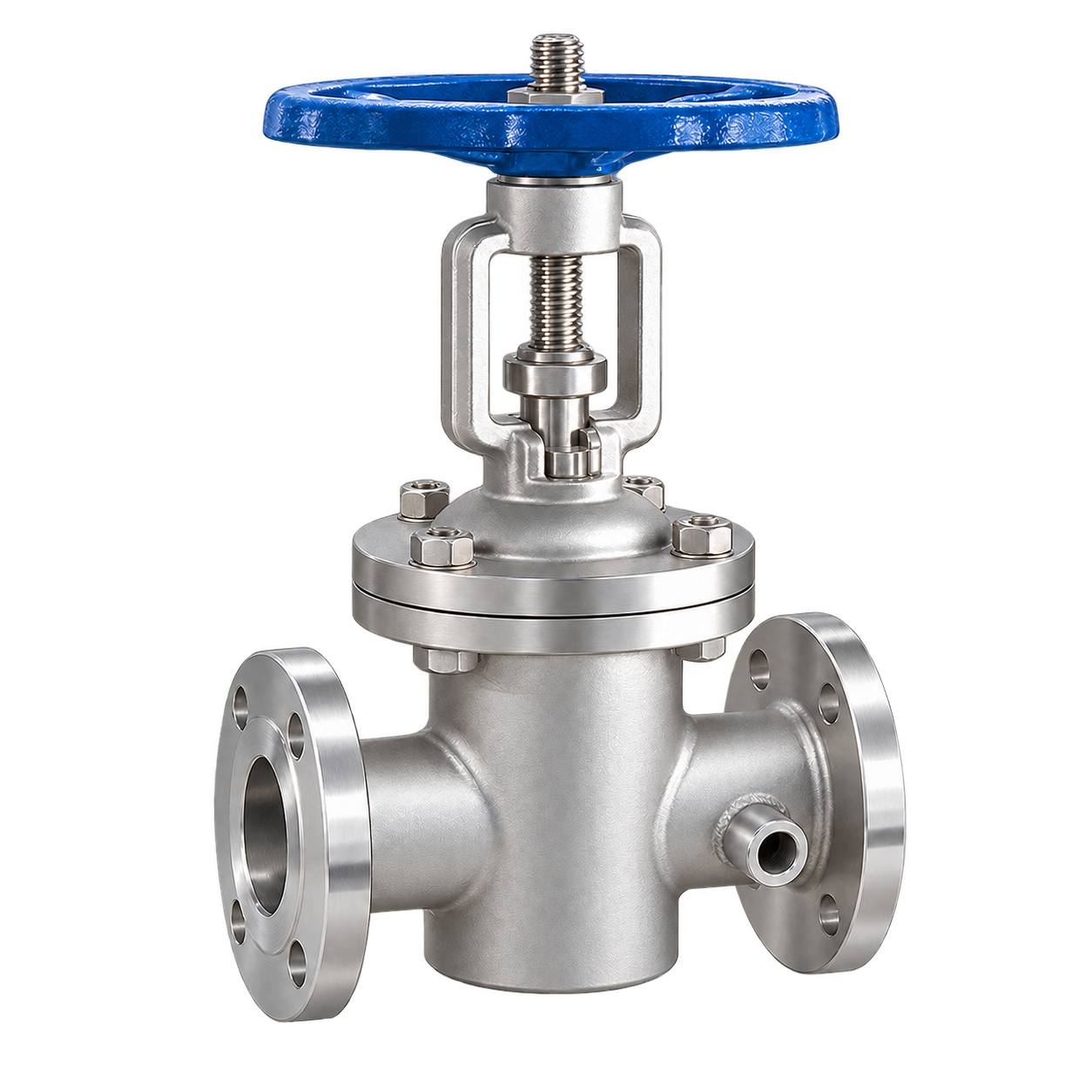
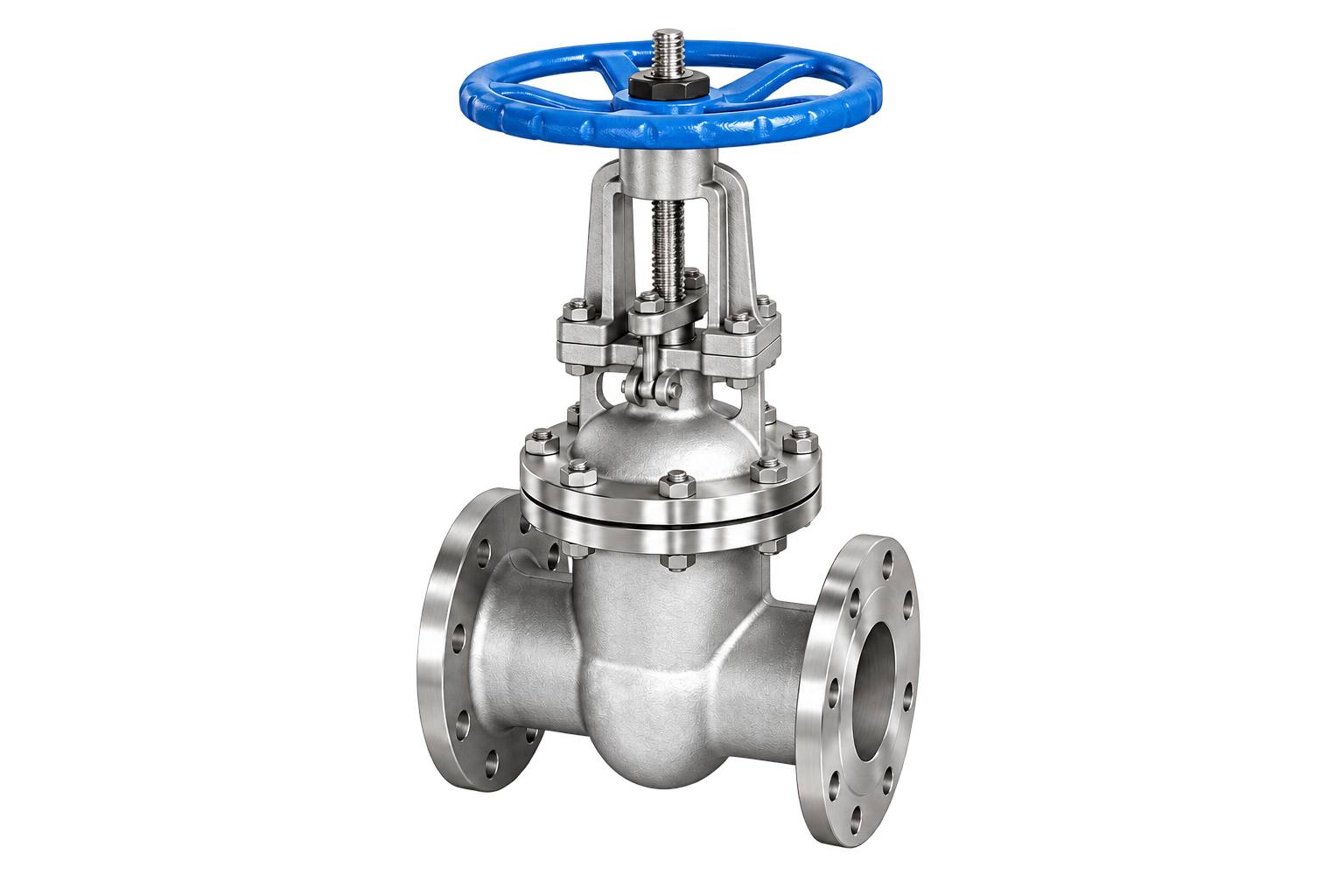
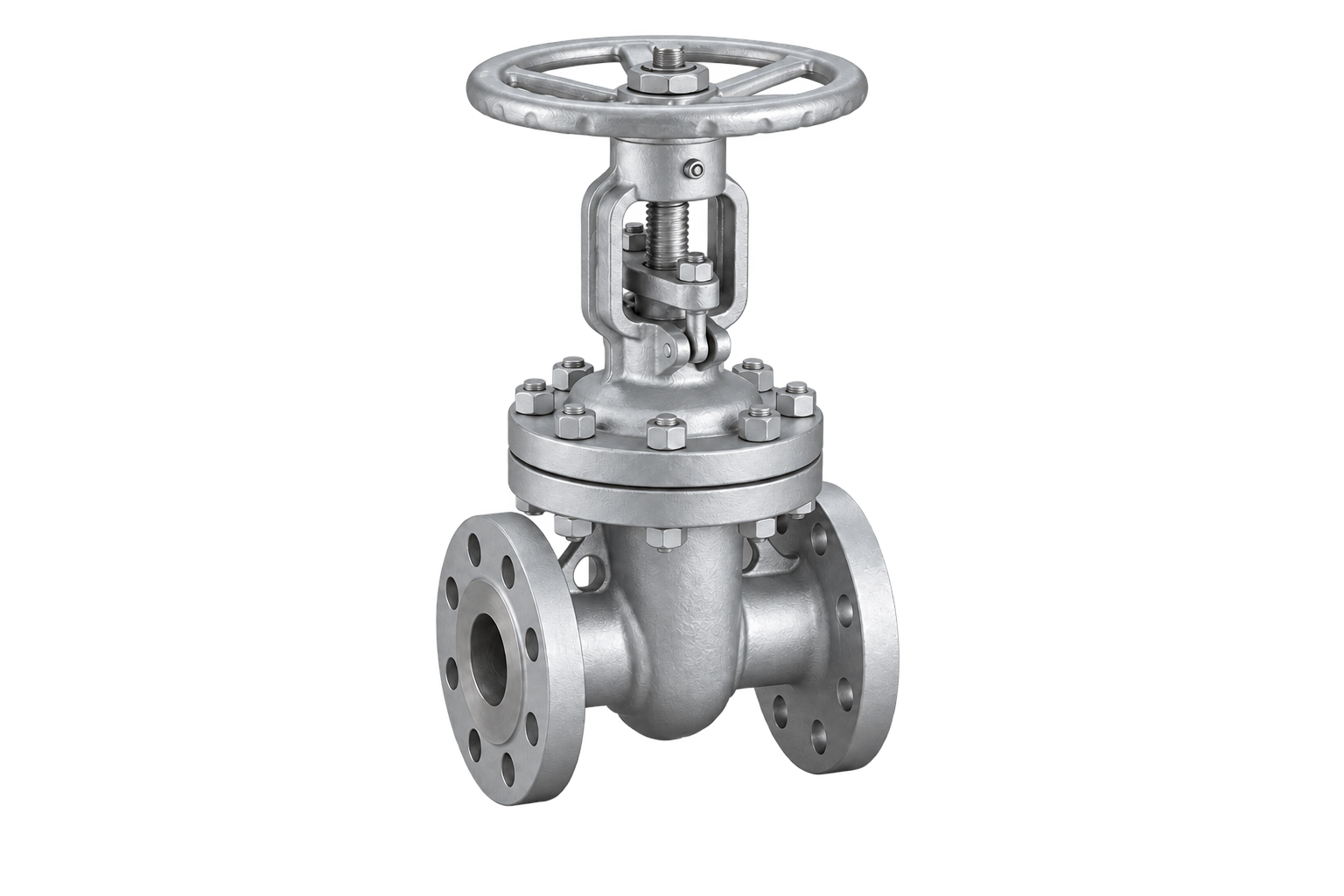
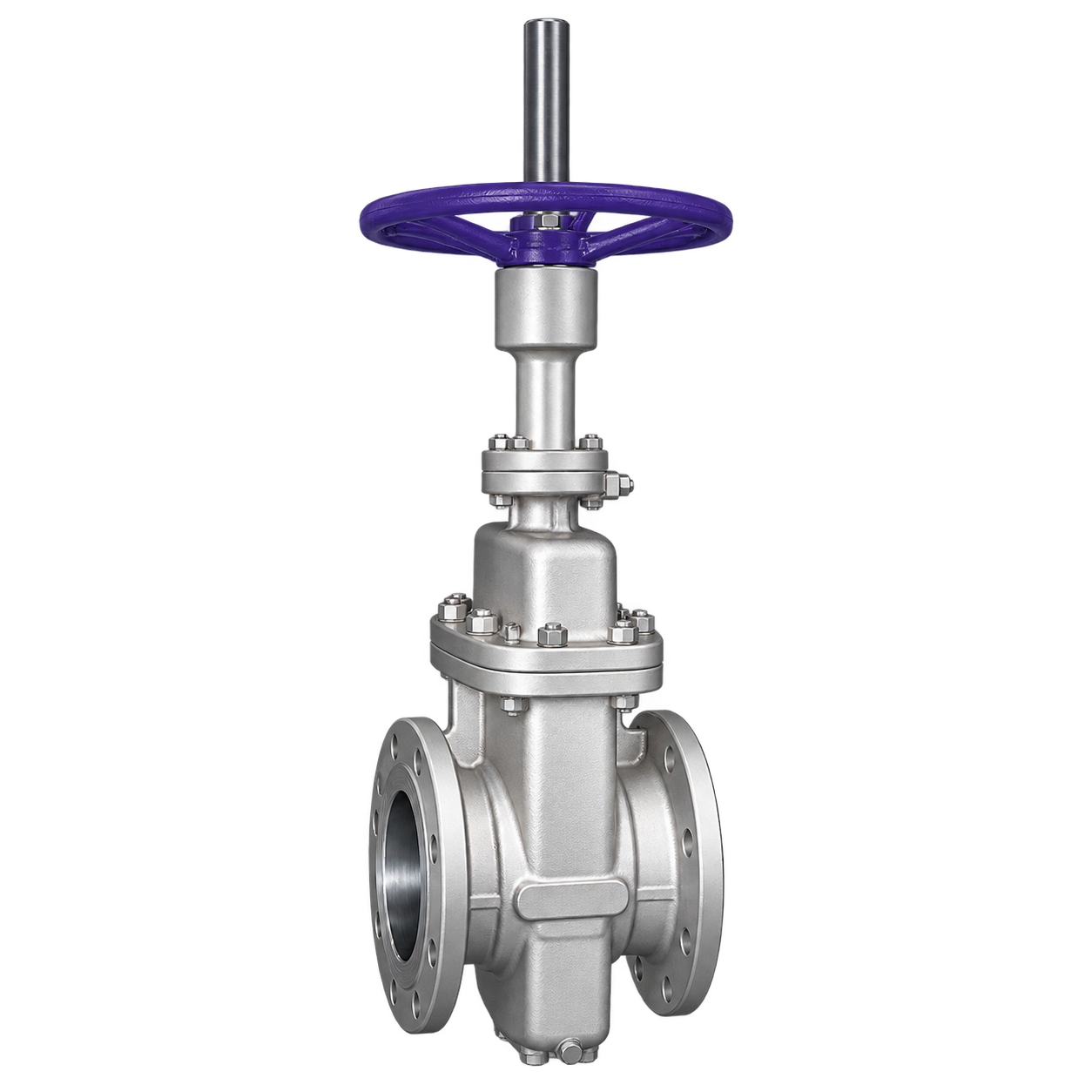
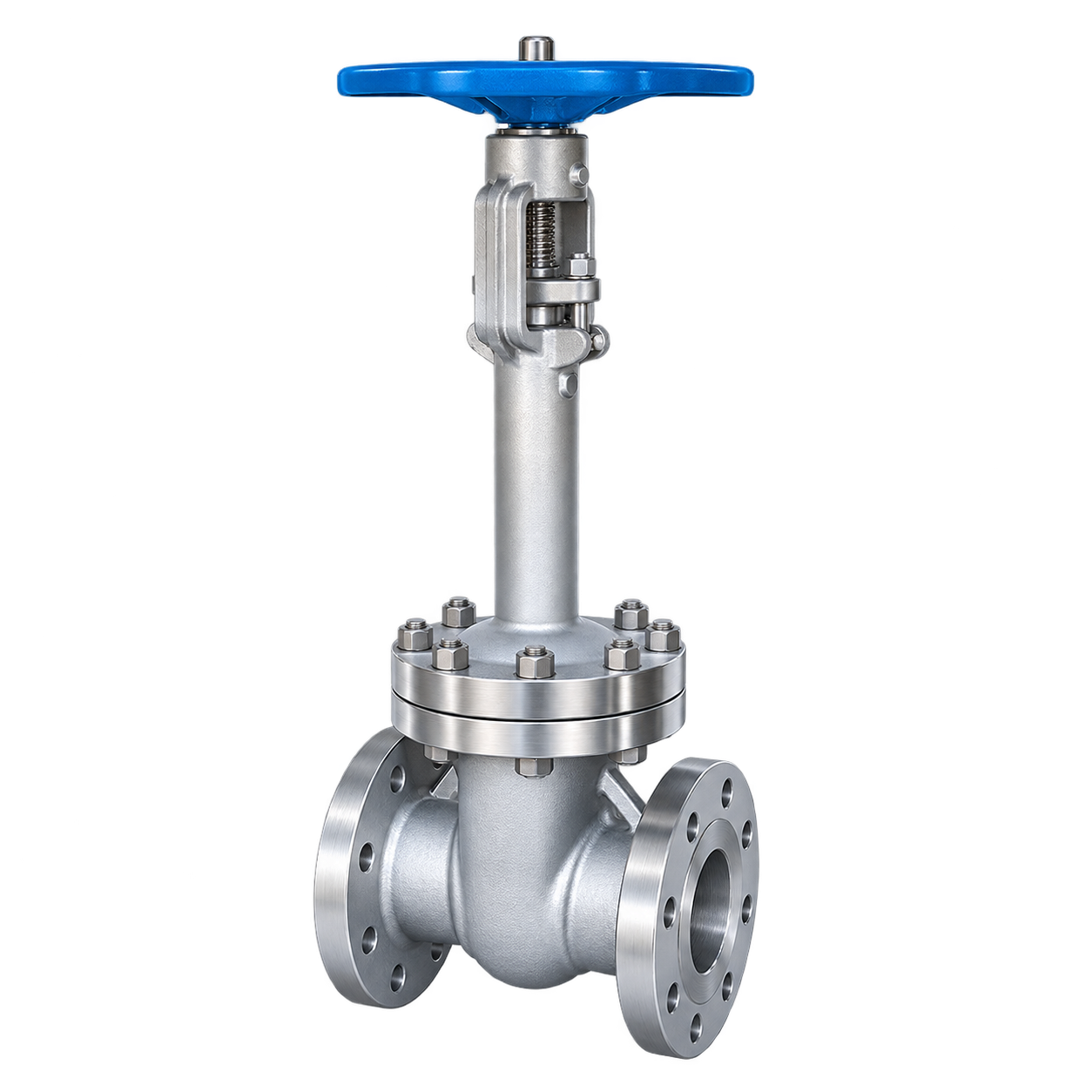
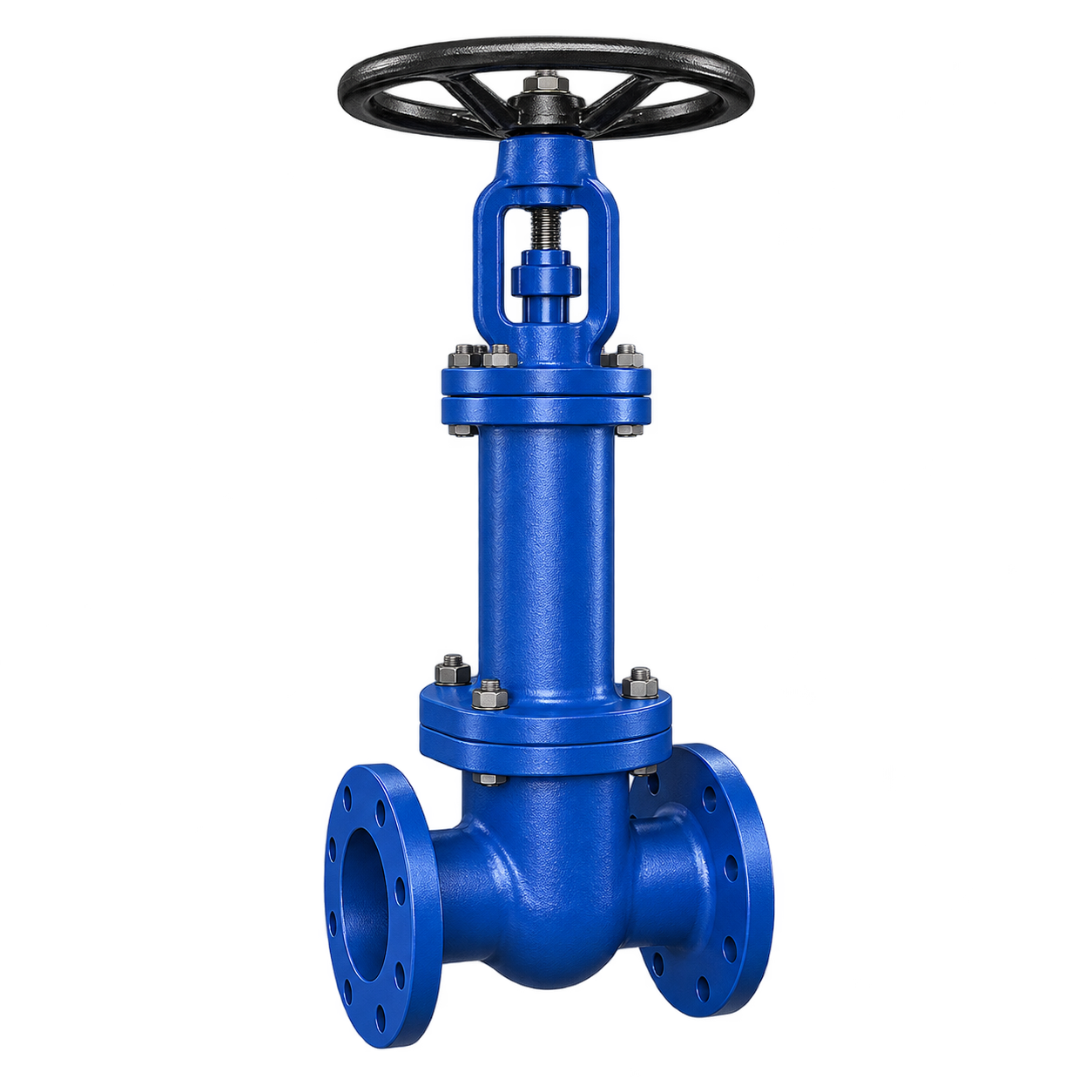
A gate valve isolates a pipeline by raising or lowering its gate and is generally used fully open or fully closed. In the open position the gate clears the main passage. Prolonged partial opening can cause localized erosion and vibration; continuous flow regulation requires a valve designed for that duty.
For solids-bearing fluids, define particle size, hardness, concentration and settling tendency. Assess passage, seats and shaft seals for erosion and trapped material and review cleaning, drainage and wear-part replacement.
The gate-to-seat arrangement determines isolation behavior. Define gate geometry, sealing-surface materials and solids exposure. Installation should provide clearance for stem travel, handwheel operation and bonnet maintenance.
Match the operator to the valve load and site operating method. Manual operation needs accessible clearance. Frequent cycling or remote control also calls for assessment of output capability, duty and position feedback.
Define fluid composition and continuous and start-stop operating conditions, then assess body, internals and seals as a combination. Particles, deposits and cleaning affect sealing surfaces and mechanisms; plan maintenance for the actual service.

 Industry image unavailableIllustrative scene