Construction and description
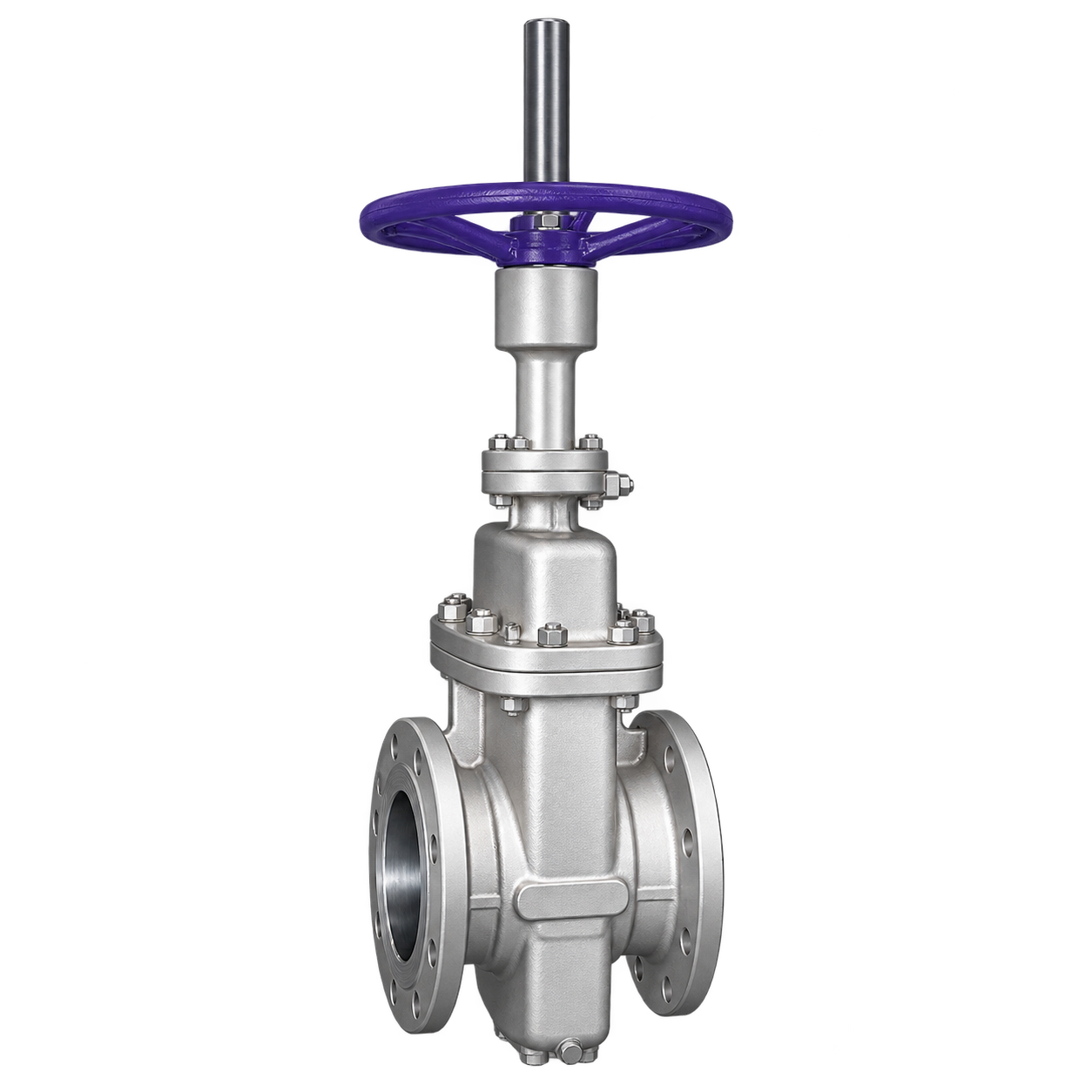
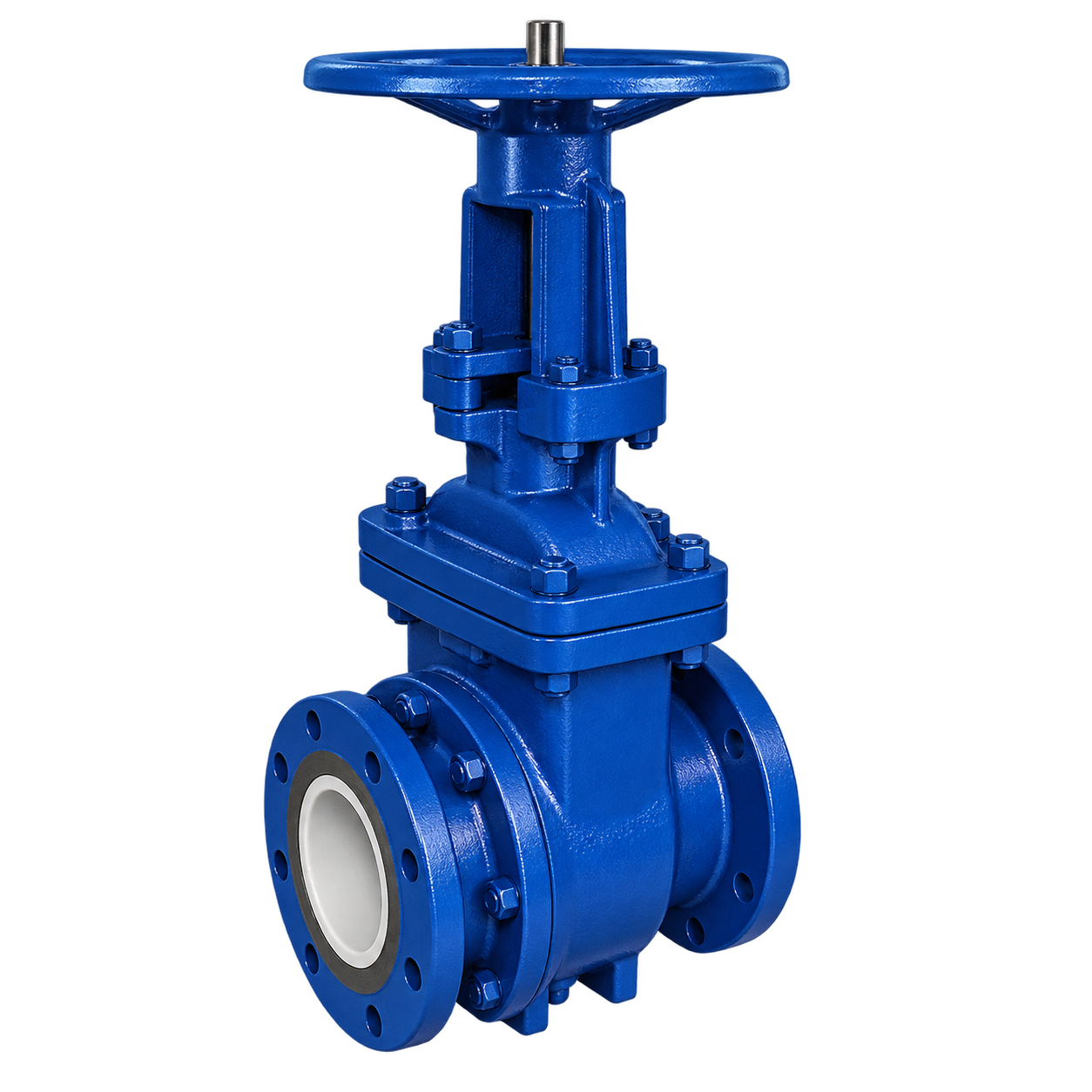
A gate valve isolates a pipeline by raising or lowering its gate and is generally used fully open or fully closed. In the open position the gate clears the main passage. Prolonged partial opening can cause localized erosion and vibration; continuous flow regulation requires a valve designed for that duty.
The gate and seat arrangement determines shutoff performance. Define gate geometry, sealing-surface materials and solids exposure. Installation should provide clearance for stem travel, handwheel operation and bonnet maintenance.
Configuration
Select the manual operator or actuator to suit the valve torque or thrust requirements and site operating conditions. Provide access and clearance for manual operation. For frequent cycling or remote operation, assess actuator output, duty cycle and valve-position feedback.
Construction and description
Buried or extended-stem layouts require coordinated planning of body location, operating point and maintenance access. Check depth, extension support, corrosion and water protection, position indication and operating clearance.
Service conditions
Specify the process-fluid composition and steady-state, startup and shutdown conditions, then evaluate the body, wetted internals and sealing materials together. Solids, deposits and cleaning procedures can affect sealing surfaces and operating mechanisms. Base the maintenance plan on the actual service conditions.

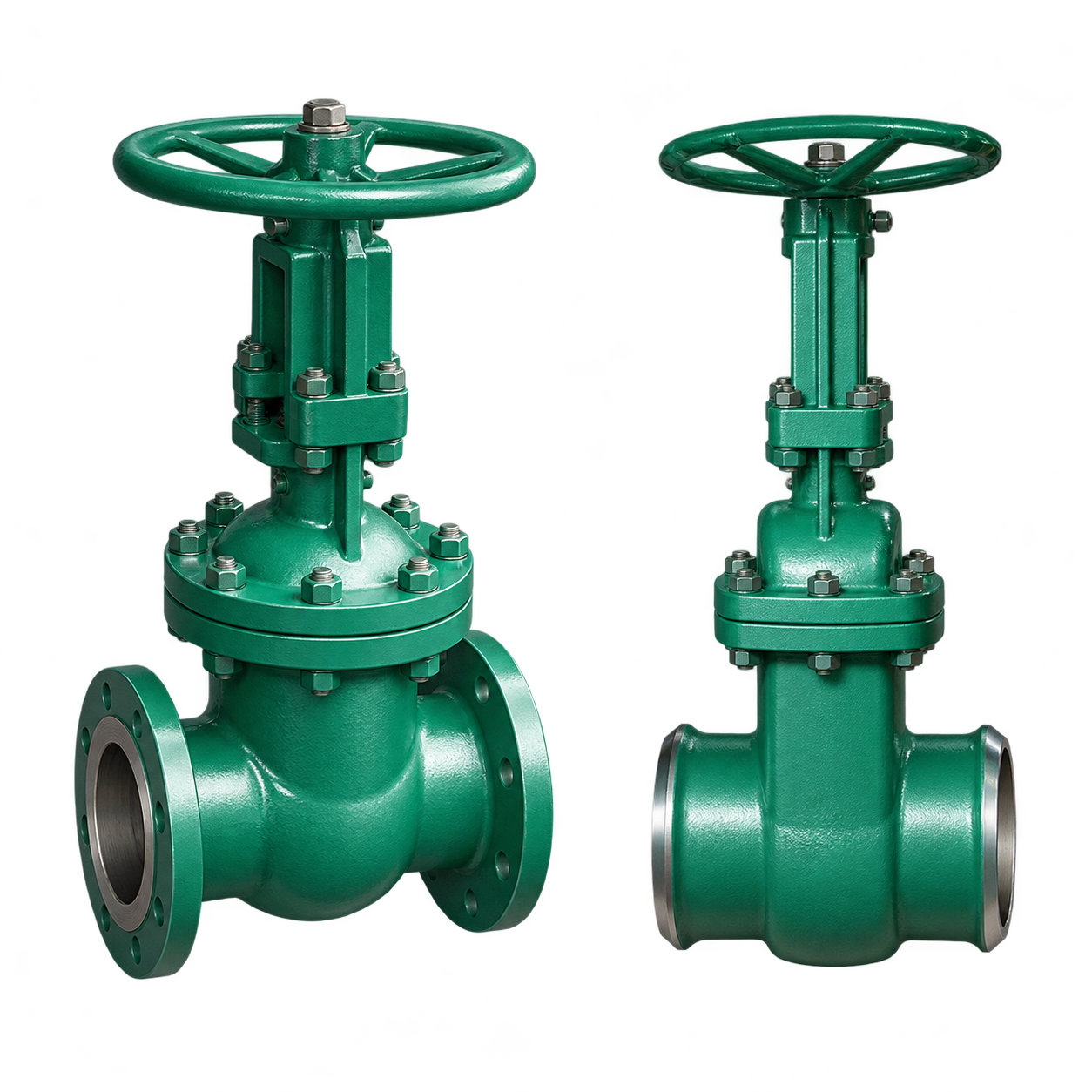
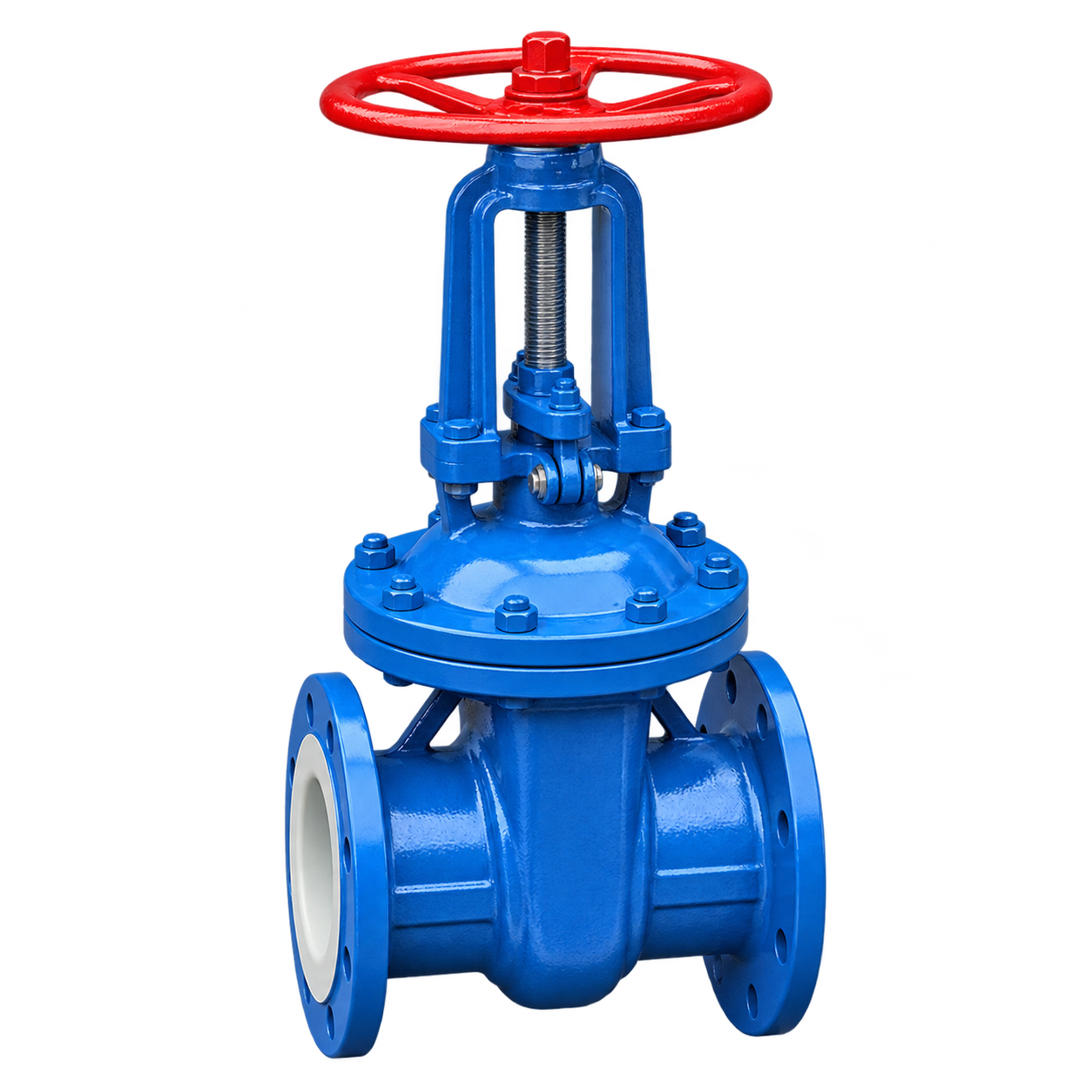
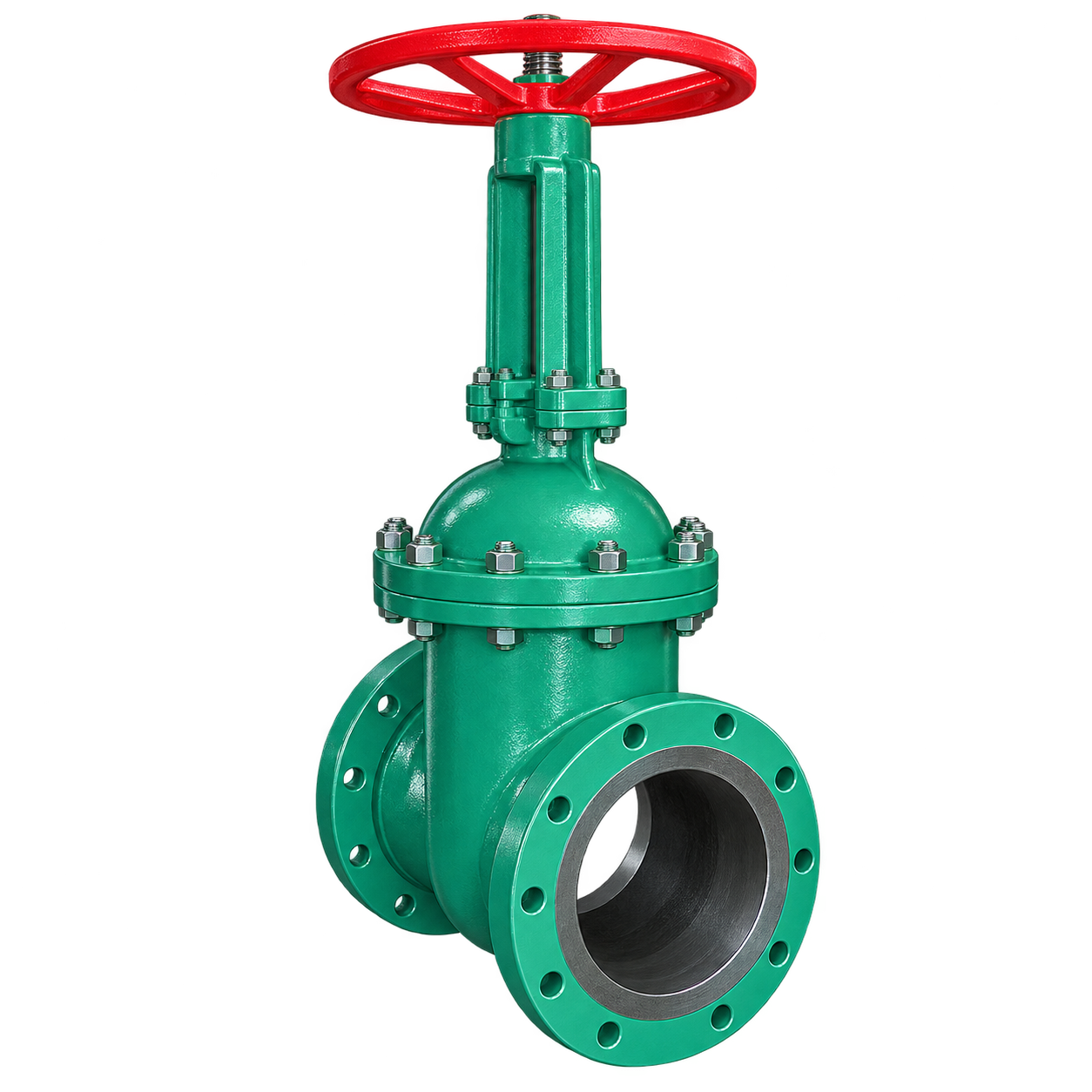
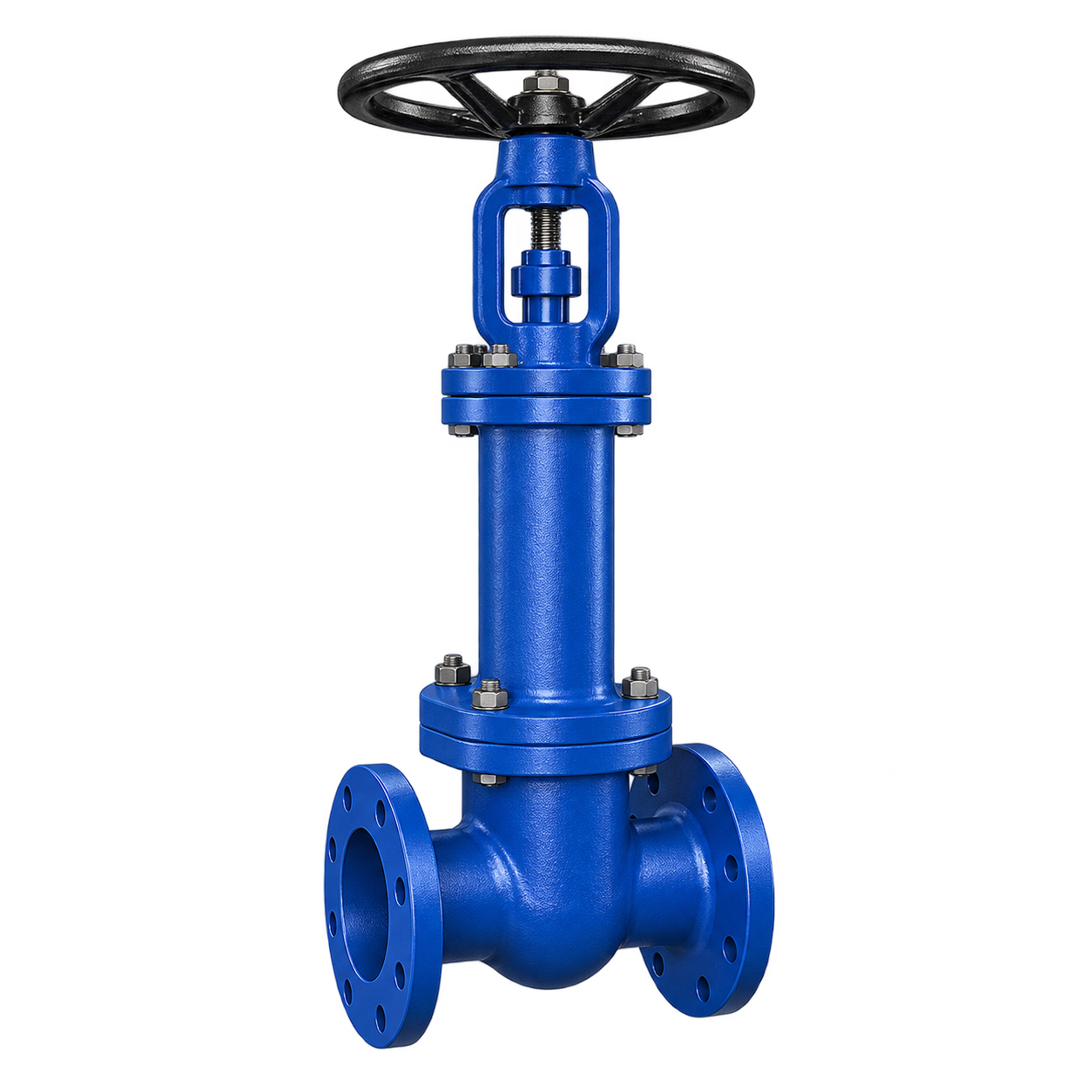
 Illustrative industry scene
 Illustrative industry scene
 Illustrative industry scene